
Custom Steering Wheel, MOT Check & Insurance: What to Ask
A custom steering wheel touches two separate topics: the roadworthiness check and your insurance policy. Here is what to ask your garage and your insurer before you order, in plain terms.
The essentials in 30 seconds
- MOT roadworthiness checks and insurance cover are two separate questions with different answers
- NTech keeps the original airbag in place and inspects every wheel via SGS before dispatch
- Technical inspectors typically check airbag function, steering controls, and whether changes need formal registration
- Insurers commonly ask whether the wheel was modified, professionally fitted, and properly documented
- Drivers should contact their insurer and garage directly before ordering and keep all paperwork afterward
Two questions come up every time someone asks "is this legal": will it pass the MOT check, and will my insurer accept it? These are two different topics, with two different answers, and neither one is NTech's call to make. The roadworthiness check depends on your country's rules. Your insurance cover depends on your policy and your insurer. What we can tell you is how the wheel itself is built, and what questions to bring to the people who actually make those decisions.
Two Separate Questions: MOT Check and Insurance
A roadworthiness check (MOT, contrôle technique, or your country's equivalent) and an insurance policy are not the same thing, and passing one doesn't automatically cover the other. One is about whether your car is allowed on the road. The other is about whether you're covered if something happens. Treat them as two separate conversations, with two separate people: the technical inspector and your insurance advisor.
Why NTech Can't Answer For You
We build the wheel. We don't inspect your car, and we're not your insurer. Rules around modified parts, registration (what some drivers call "eintragen lassen" in Germany, or getting the Betriebserlaubnis confirmed), and what counts as a reportable change vary by country, and sometimes by region within the same country. A garage in Munich and a garage in Leeds won't necessarily give you the same answer, because they're not working from the same rulebook.
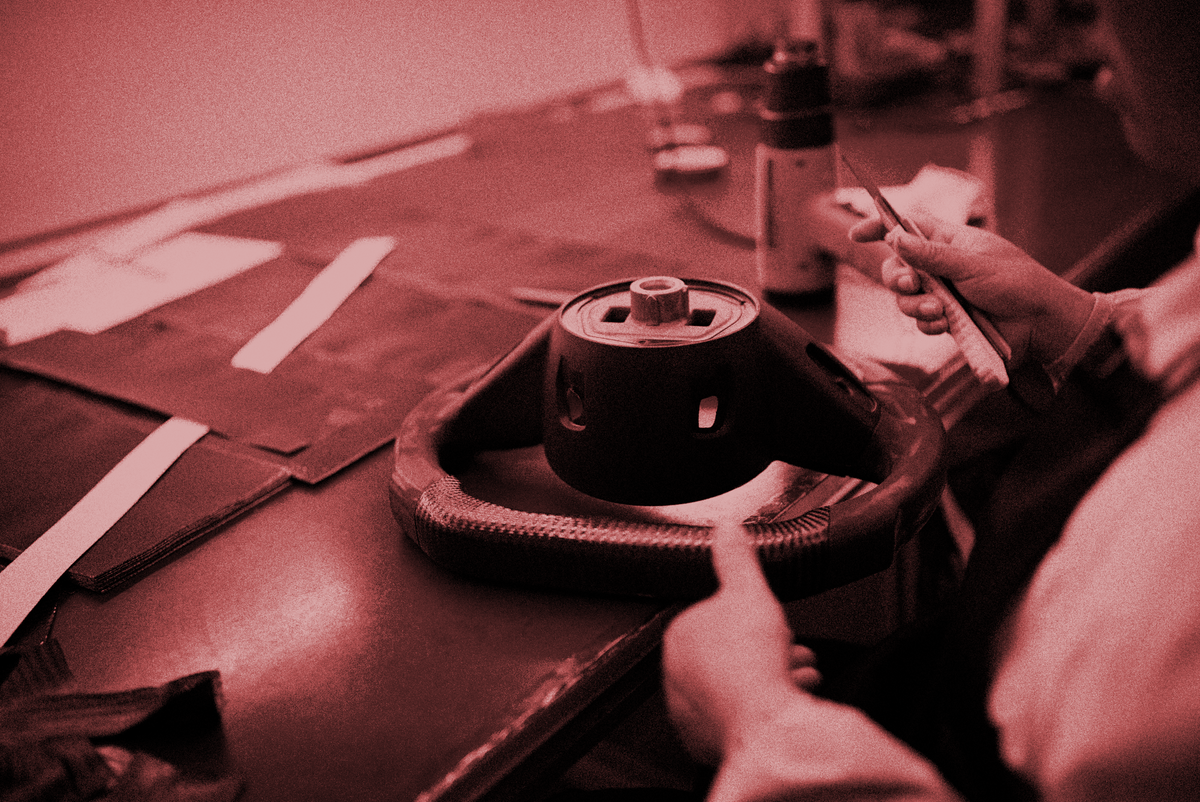
What we do control: your airbag of origin is kept in place, every wheel goes through an SGS inspection, and each unit leaves our workshop with a pre-dispatch check, logged and dated. That's the part we can document. The part that depends on your local rules is for your garage and your insurer to confirm.

What a Technical Inspector Typically Checks
Inspectors generally aren't looking at stitching or trim. They're looking at function and safety-critical systems. In most countries, that means:
- Whether the airbag is present, connected, and functions as the manufacturer intended
- Whether steering controls (indicators, horn, cruise control) still work correctly
- Whether any structural or electrical change needs to be formally registered with the vehicle's paperwork
- Whether the modification is visible or declared at the time of inspection
Because NTech rebuilds your own wheel core rather than swapping in a generic part, the airbag stays the one your car came with. That's a different situation from fitting an aftermarket wheel with a different airbag module. But whether that distinction matters for your local paperwork is a question for your inspector, not for us.
What an Insurer Typically Asks
Insurers care about risk and about what's declared on your policy. Practices differ by insurer and by country, but common questions include:
- Has the steering wheel been modified from the factory original?
- Was the work done by a recognised fitter or garage?
- Does the modification affect any safety system, including the airbag?
- Is the change documented (invoice, fitting record, inspection report)?
Some insurers ask you to declare any modification, even a cosmetic one. Others only care about changes that affect safety systems. You won't know which category you fall into until you ask directly.
Good Habits Before You Order
A few minutes of groundwork before you configure your wheel can save a lot of back-and-forth later.
- Call your insurer and ask plainly: does a steering wheel rebuilt on my original core, with my original airbag retained, need to be declared?
- Ask your garage whether this kind of change is typically registered in your country, and what that process looks like
- Keep your original wheel until the new one is fitted and confirmed, in case your garage needs to compare parts
- Check that your car's model and generation are listed as compatible before ordering, since one wheel design can cover several models and model years
For more on how the legal side generally works, see our page on changing a steering wheel and the law, and on how the airbag is handled during the process, see custom steering wheels and airbag retention.
Good Habits After Fitting
Once your wheel is installed by your garage partner, keep the paperwork. It's the one thing that makes every later conversation easier.
- Keep the fitting invoice from your garage
- Keep the pre-dispatch check document that comes with your NTech wheel, showing it was logged and dated before shipping
- Ask your garage directly whether anything needs to be registered with your vehicle's documents in your specific country
- If your insurer later asks about the wheel, point to these documents rather than guessing
Our fitting process page explains how the handover between NTech and your garage partner works in practice.
Frequently asked questions
Do I need to tell my insurer before changing my steering wheel?
In many cases, yes, especially if your policy requires you to declare modifications. Rules differ by insurer and by country, so the only reliable answer comes from calling your own insurer and asking directly.
Does the MOT check look at the steering wheel?
It generally checks whether the airbag and steering-related functions work correctly, not the wheel's trim or material. Exact requirements depend on your country's inspection rules, so confirm with your local garage or inspector.
Does a wheel rebuilt on my original core change anything administratively?
It might, depending on where you live. Because NTech rebuilds your own wheel and keeps your original airbag, some drivers find the process simpler to explain to their garage than fitting an aftermarket part. Whether it needs formal registration still depends on local rules.
What do I say if my insurer asks about the wheel?
Explain that it's your original wheel core, rebuilt with your original airbag retained, inspected via SGS, and fitted by a professional garage. Share the fitting invoice and the pre-dispatch check record if asked for documentation.
Is it legal to fit a custom steering wheel?
This depends on your country's rules on vehicle modifications and on whether safety systems like the airbag are affected. See our dedicated page on steering wheel changes and the law for a fuller breakdown.
Will my airbag still work after the wheel is rebuilt?
NTech rebuilds the wheel around your original wheel core, so your original airbag is retained rather than replaced. Confirmation that it functions correctly after fitting is part of what your garage partner checks during installation.
Read next